National Shipping Board
Ministry of Ports, Shipping and Waterways
Government of India

राष्ट्रीय नौवहन बोर्ड
पत्तन, पोत परिवहन और जलमार्ग मंत्रालय
भारत सरकार
Government of India
भारत सरकार
Our logo reflects the vision, values, and maritime strength of India. Every element symbolizes a deeper meaning aligned with national progress, sustainability, and global leadership in the maritime sector.
The National Shipping Board (NSB) is a statutory advisory body constituted under the provisions of the Merchant Shipping Act, 1958 to advise the Government of India on matters relating to the shipping sector. The Board plays a vital role in supporting the formulation of policies aimed at the growth, regulation, and development of the Indian maritime industry.
The Board serves as an important institutional mechanism for consultation between the Government and key stakeholders in the maritime domain. It deliberates on a wide range of issues including merchant shipping, maritime safety, port-led development, shipping infrastructure, and the overall competitiveness of the Indian shipping industry. The recommendations of the Board assist the Government in informed decision-making and policy formulation.
The composition of the National Shipping Board reflects a broad-based representation of stakeholders. It includes Members of Parliament, representatives from Central Government Ministries and Departments, shipowners, seafarers, port authorities, and other maritime professionals. This diverse composition ensures that multiple perspectives are taken into account while addressing sectoral challenges and opportunities.
The Board is reconstituted periodically to maintain updated representation and to align with the evolving needs of the maritime sector. Through its advisory role, the National Shipping Board contributes significantly to strengthening India’s position in global shipping and promoting sustainable growth in the maritime domain.
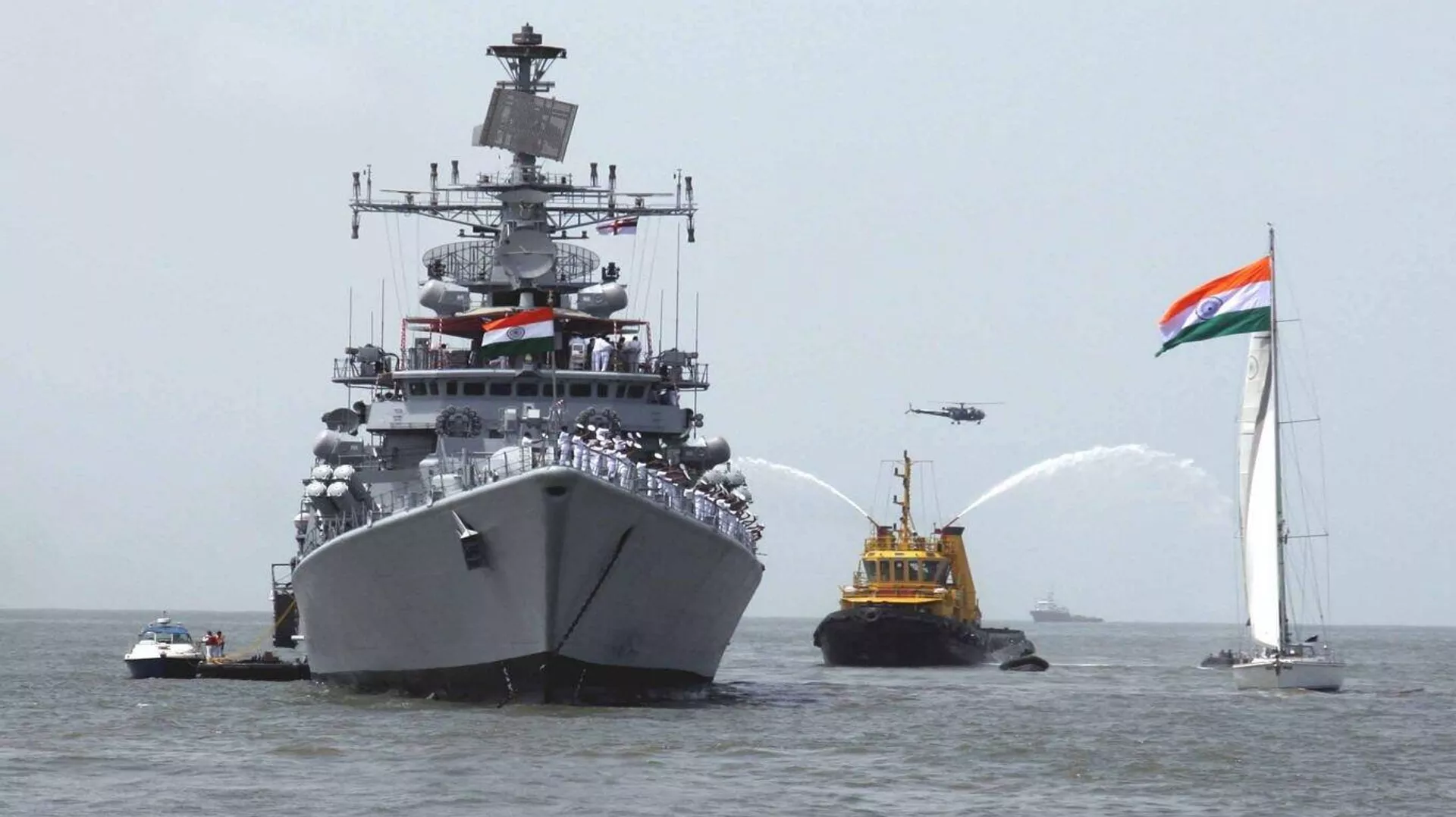


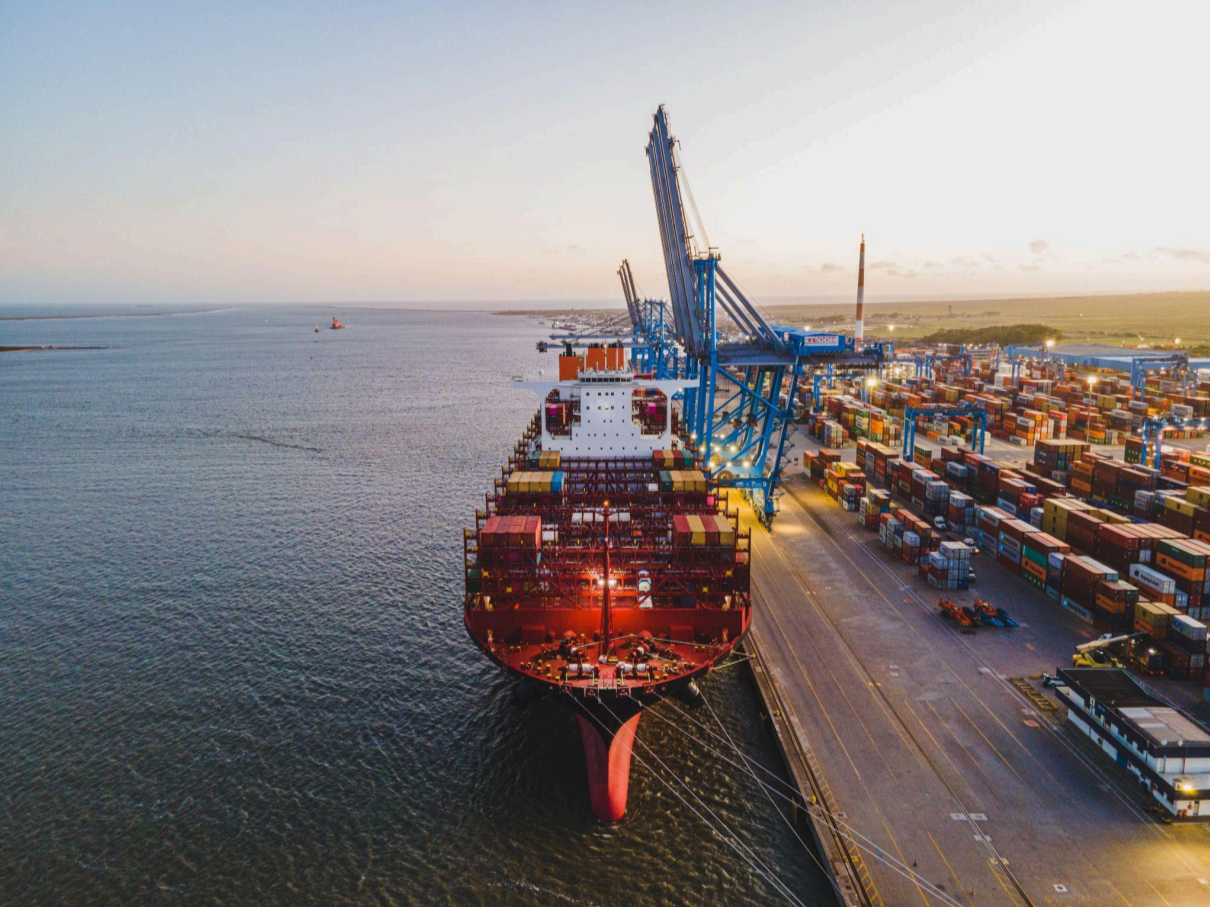



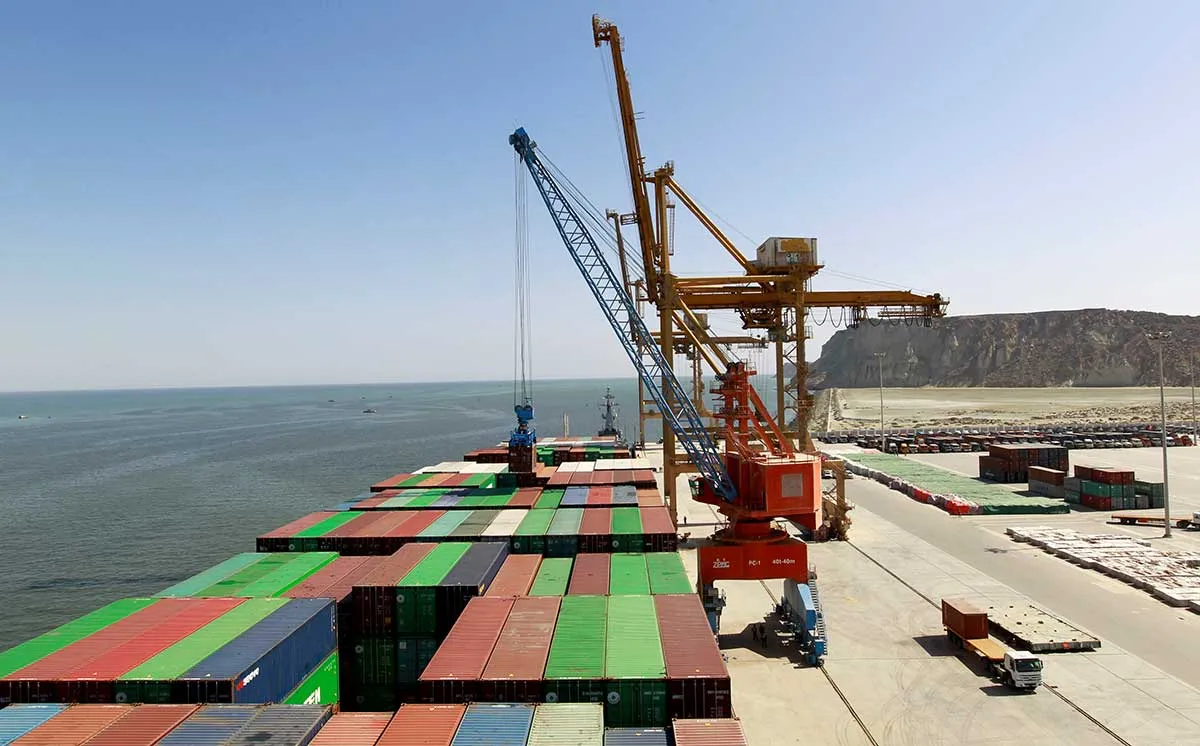
To position India as a global maritime leader through sustainable growth, innovation, inclusivity, and international collaboration— by strengthening and modernizing Indian tonnage and maritime assets, advancing world-class maritime infrastructure, and aligning with India’s Vision 2030 and Maritime Amrit Kaal 2047, with seafarers and the maritime workforce at the core of progress.
To shape forward-looking, evidence-based maritime policies that promote safe, secure, green, and technology-driven shipping; foster fair and equitable labour and welfare ecosystems; strengthen and modernize Indian tonnage through enhanced safety, training, and regulatory alignment; and uphold India’s maritime heritage while fulfilling the National Shipping Board’s statutory advisory mandate within the India’s broader maritime governance framework.